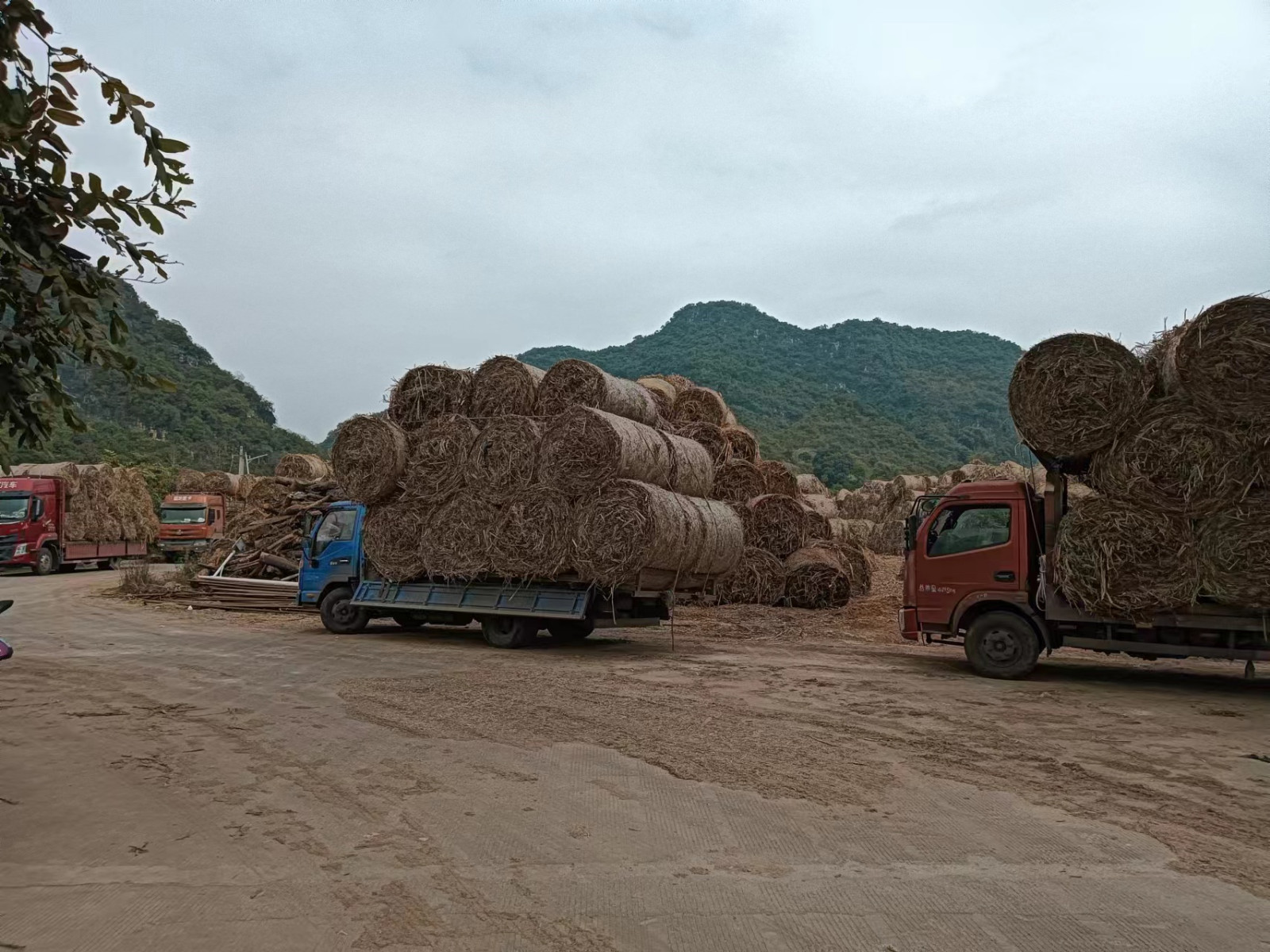
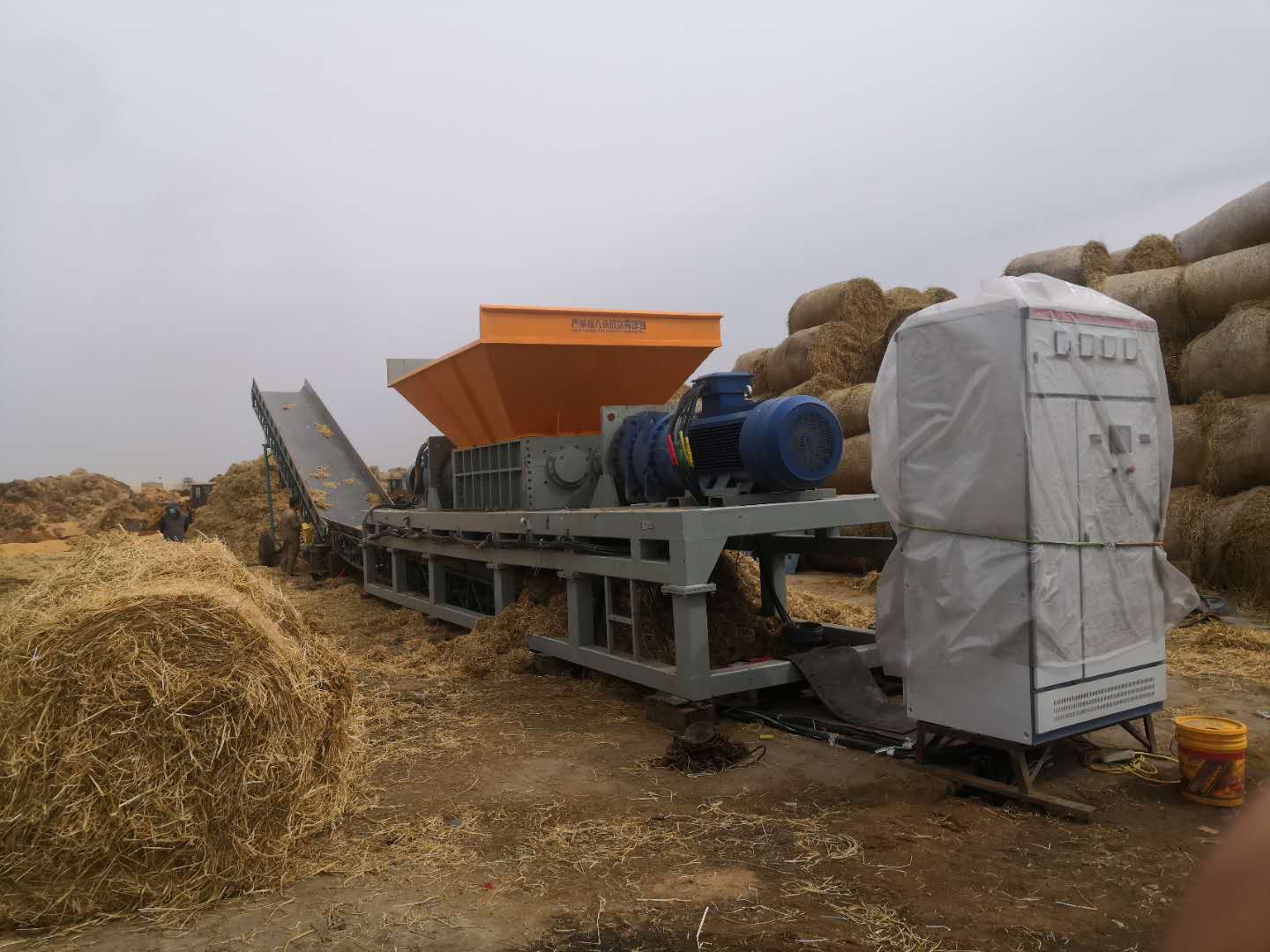
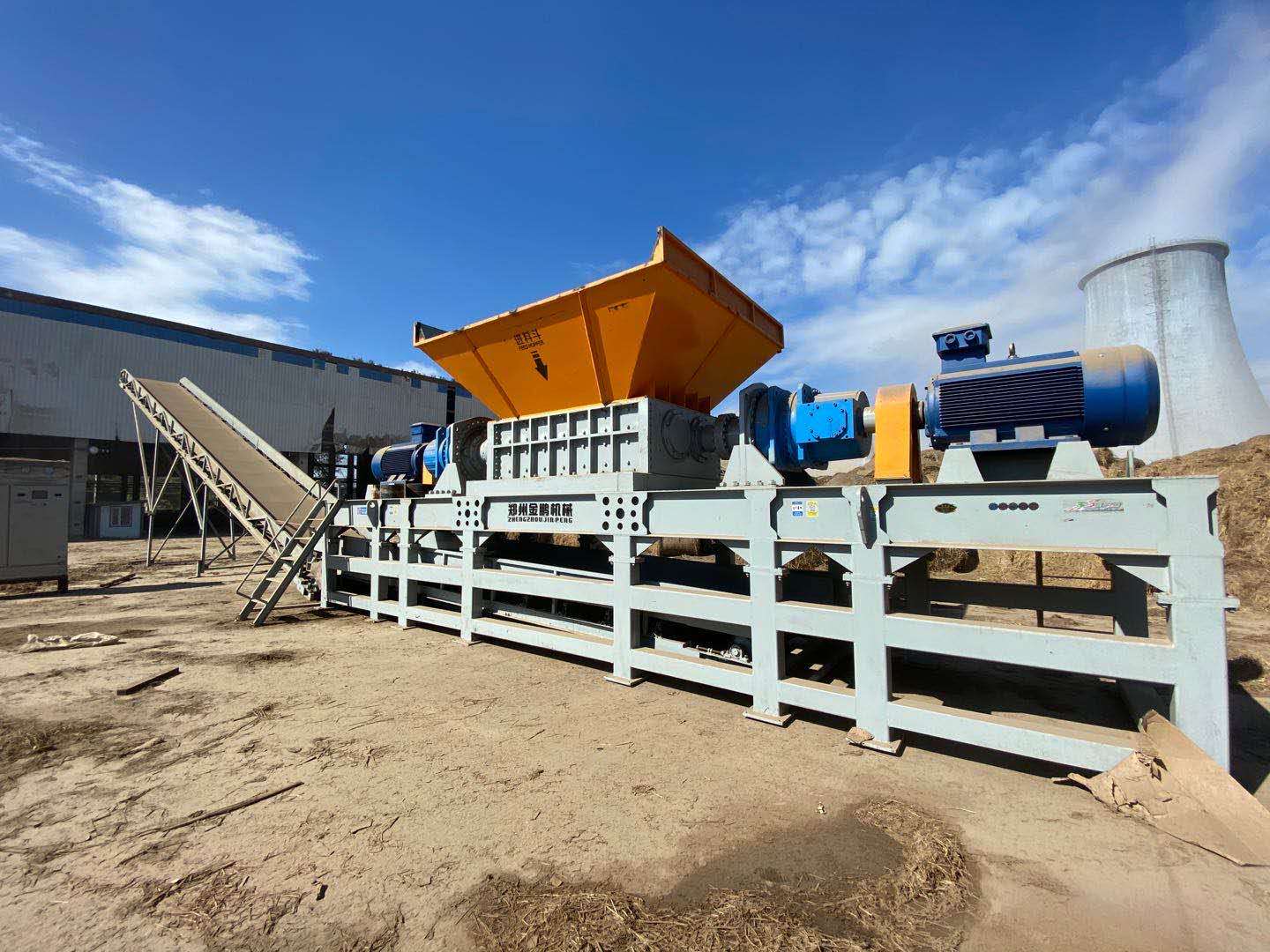
The Straw Bale Shredding Solution is designed for processing straw bales, hay bales, and other compressed biomass materials used in biomass fuel preparation and agricultural residue recycling. These materials are usually packed in dense bale form, which makes direct handling, feeding, and downstream use more difficult without proper size reduction and loosening.
This solution uses Double Shaft Shredders to carry out bale opening, loosening, shredding, and discharge in one continuous process. With low-speed, high-torque shredding action, the machine is suitable for handling compacted biomass materials and reducing them into a looser and more manageable form for further processing.
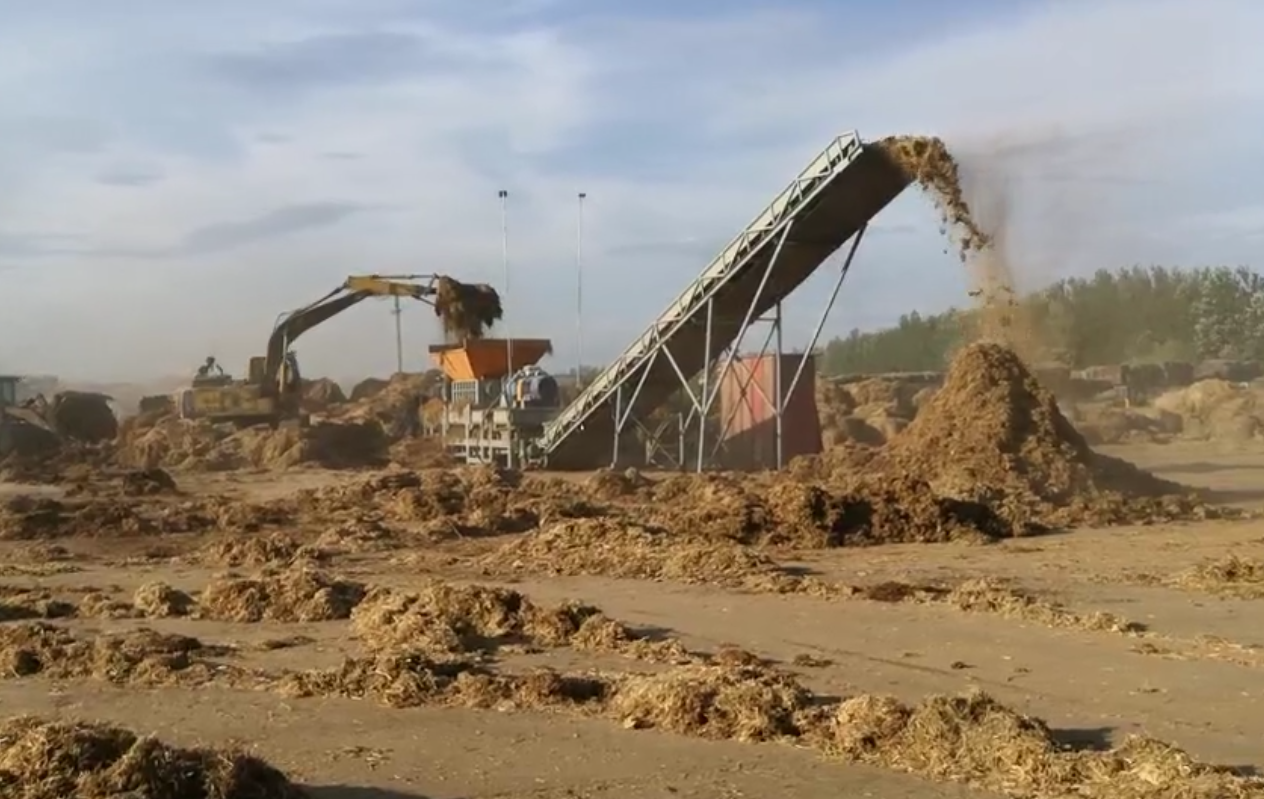
During operation, straw bales or hay bales are fed into the shredding chamber by conveyor, loader, or other site feeding equipment, depending on the project layout. The twin shafts fitted with cutters pull, tear, and open the compacted bale structure, helping separate the material while reducing its size. This process improves the flowability of the biomass material and makes downstream conveying, storage, or further treatment more efficient.
Compared with direct manual unpacking or simple cutting, the double shaft shredding process provides more stable handling of compressed biomass and is better suited for continuous operation. It can process straw bales, hay bales, and similar agricultural biomass materials used as feedstock for biomass fuel systems, combustion preparation, or other biomass utilization processes.
The discharged material is easier to convey, stack, and feed into the next stage of processing. By completing bale opening and shredding in advance, the solution helps reduce manual handling, improve site efficiency, and prepare more consistent raw material for biomass fuel preparation.
This solution is suitable for biomass plants, agricultural residue processing sites, straw fuel preparation projects, and other applications where baled biomass needs to be opened, loosened, and shredded before further use. Depending on site requirements, the feeding and discharge arrangement can be integrated into different plant layouts for continuous material handling.